NanoMedical Systems 


         Nanotechnology transforming drug delivery... 


About     Q&A      Press                                                                                           

ABOUT NANOMEDICAL SYSTEMS

The Product


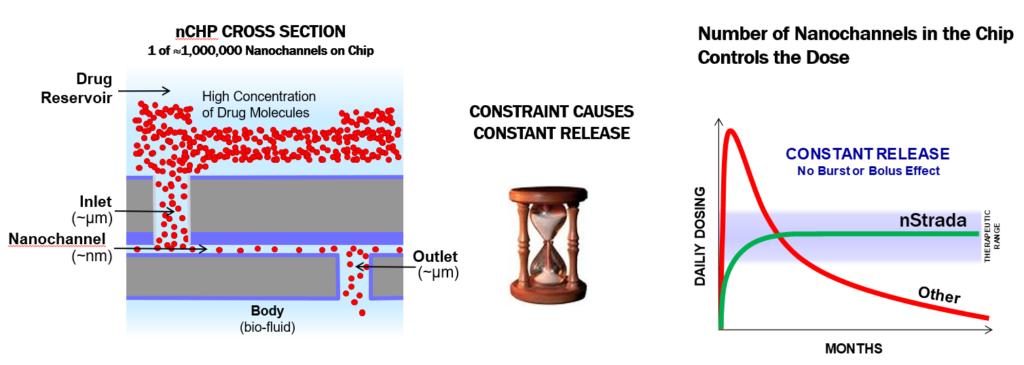
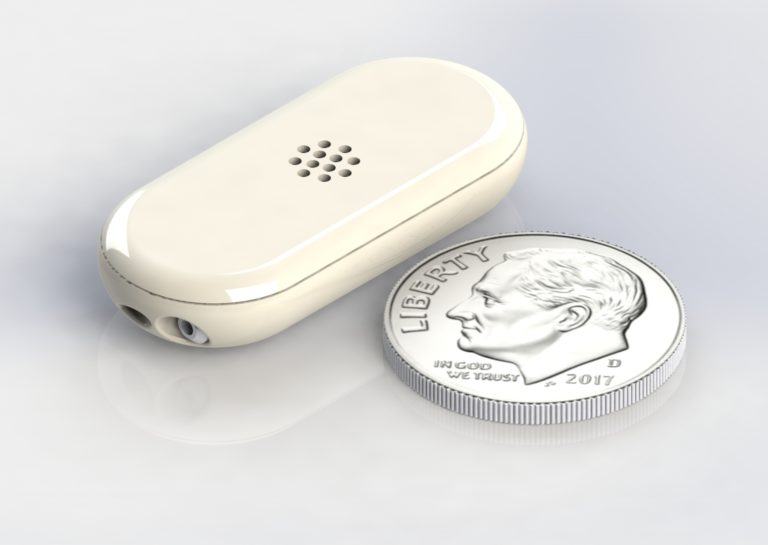
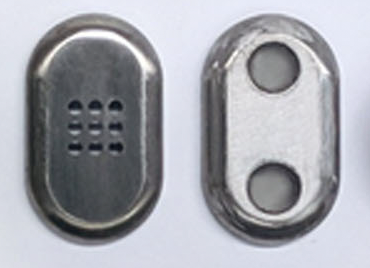
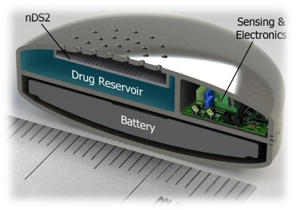
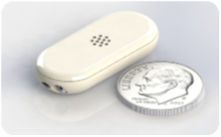
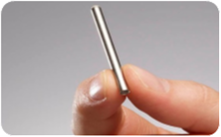
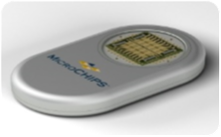
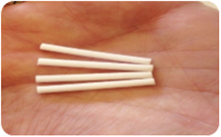
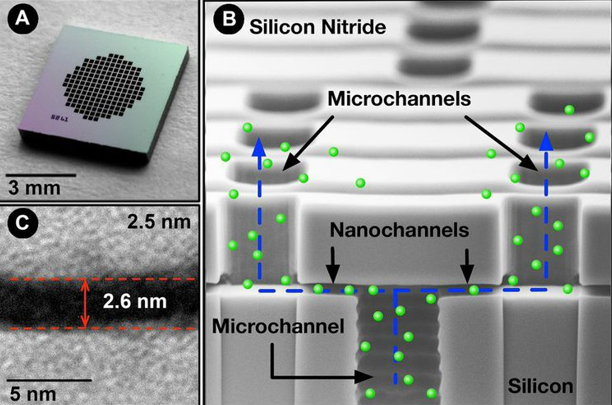
The Personalized Molecular Drug-delivery System (PMDS) is a small drug delivery device that is implanted subcutaneously (just under the skin) for slow and consistent release of a therapeutic agent over many weeks or months.  A nanochannel delivery system (nDS) embodied on a silicon chip regulates the flow of therapeutic molecules. 


The PMDS is a new alternative to current treatments with a long regimen of injections and/or clinical visits.   The controlled release of the agents from these implants will allow for:

    • Improvements of therapeutic outcomes  
    • Decrease of the debilitating side effects of therapy  
    • Availability of treatment in circumstances when access to medical facilities is limited  
    • Convenience of delivery of treatment at home rather than in medical facilities  
    • Substantial savings in the cost of treatment

The Market


For billions of people around the world, improved health care, including viably delivered advantageous drug therapies, is the primary means to a better quality of life.  Their awareness is driving their demand for better treatments.  NMS is well positioned to enter the rapidly growing drug delivery market at the right time in the history of the health industry.  This market growth has nearly tripled in a very short time, from approximately $39 billion in 1998 to an estimated $114 billion this year in 2007, of which $85 billion represents the drug delivery demand in the US alone, growing at 10-15% annually.  Of this, nanotechnology accounts for $3.4 billion today and is expected to grow 8X in the next 4-5 years, and continue to rise throughout the foreseeable future.  The NMS-targeted markets in cancer, urology, pain, and viral treatments are approaching $10B per year.  Pharmaceutical companies are losing ~$20 billion per year as drugs go off-patent; many of these could be simply reformulated for the NMS delivery device.


The Technology


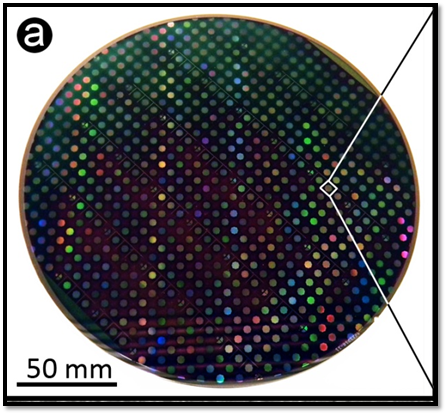
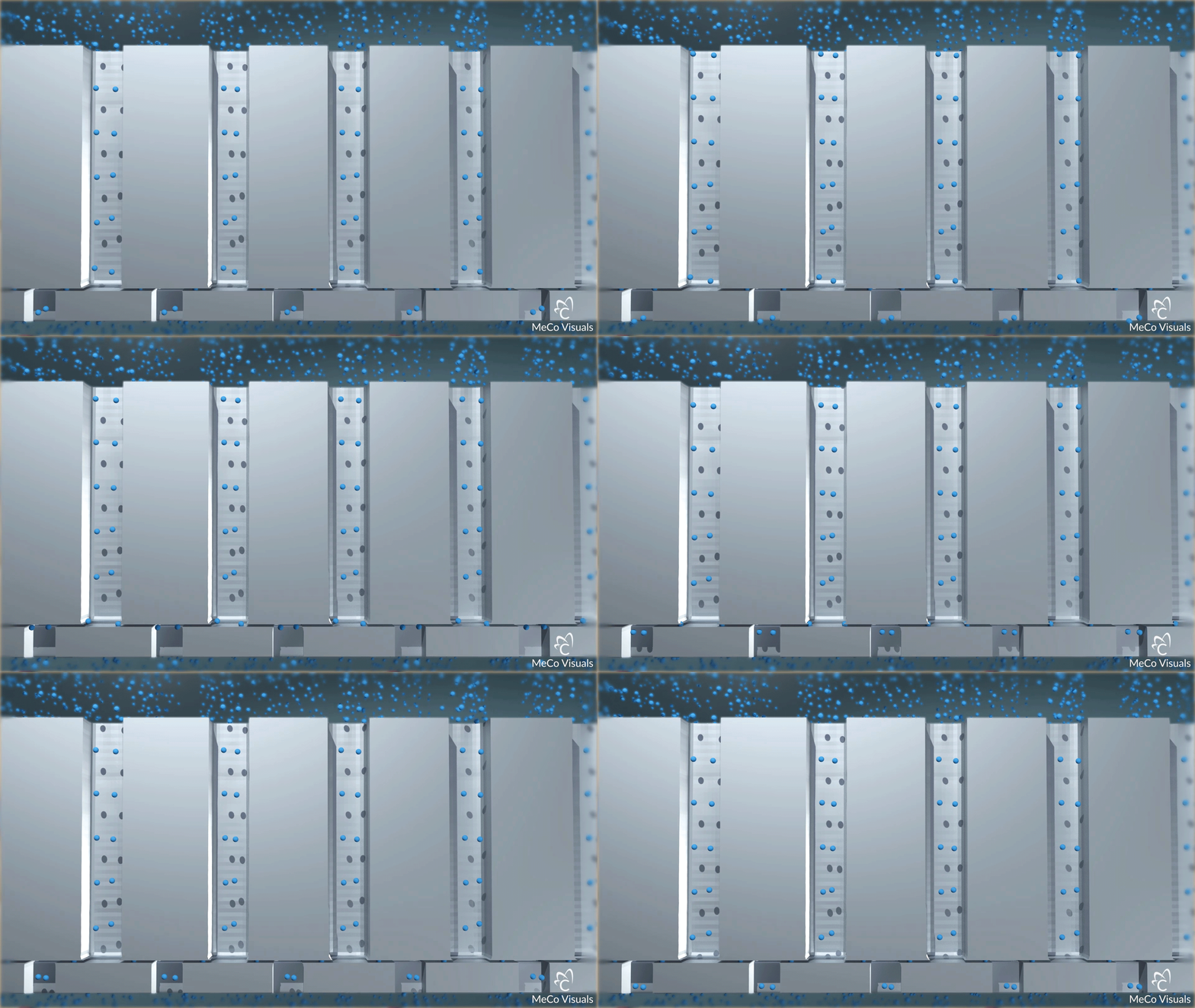
The core NMS technology is a silicon-based nanofabricated chip that contains nanochannels which regulate and/or control the molecule-by-molecule release of a therapeutic agent stored within the implant.  The chip can be both passive (no electronic or other components needed for steady continuous release) or active (electrodes and an on-board control system actively manage the release profile).  The passive technology has a successful university research legacy of feasibility demonstration, including in vitro and in vivo testing.  NMS development is focusing initially on the passive device, while architecting the PMDS to support both modes.  This allows faster development, expedited engagement with the regulatory authorities, and earlier market entry, while preserving the capability to move quickly on opportunities for follow-on devices which enable programmable and personalized therapies.  NMS is well positioned for distribution of new drug delivery device products for treatments of diseases and conditions affecting people around the world.  Even more impacting is the promise of personalized medicine in conjunction with smart therapeutic delivery devices that will bring the revolutionary power of nanotechnology to each patient.  NMS is a pioneer in interactive in-body devices, an enabler of personalized treatment, and a foundation for next-generation medicine. 


The Company


NanoMedical Systems (NMS) is a startup company, which will commercialize the patented research of Dr. Mauro Ferrari at the University of Texas Health Science Center in Houston, a sponsored research site and a source of licensed IP for NMS.  The era of personalized medicine will require products for the individual that depend on many sophisticated technologies.  NMS is one of the world’s first truly convergent technology companies, integrating semiconductor, biotechnology, MEMS/NEMS, nano-materials, and pharmaceutical sciences in its products.  Co-founder and CEO, Dr. Randy Goodall has brought together a multi-disciplinary senior product development team to rapidly design, prototype, and qualify the first product for clinical studies.  Dr. Goodall was previously a director at the R&D consortium Sematech in Austin, Texas.  NMS maintains offices on that site, using the on-site facilities of ATDF, owned and operated by SVTC Technologies LLC, for leading-edge nanofabrication.


See our: Vision-Mission-Strategy